Best Dehydrator Trays for Jerky
For jerky, use non-stick or fine-mesh dehydrator sheets so strips do not stick and drips are contained, while airflow stays open. Reusable silicone mesh sheets suit most jerky and clean up easily; edged sheets catch marinade drips from the trays below.
Top picks
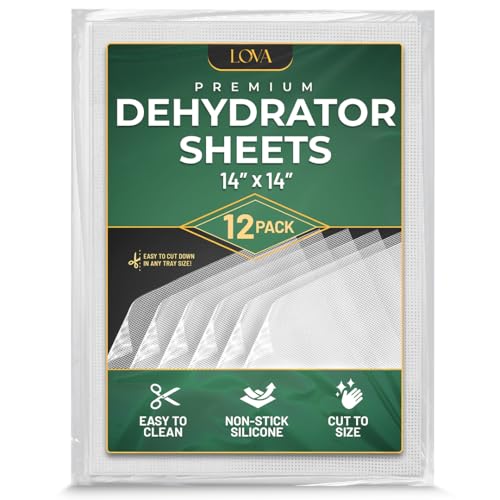
Silicone Dehydrator Sheets 14x14 Inch (12 Pack)
Non-stick & reusable
Reusable non-stick mesh sheets that hold jerky strips and clean up easily.
Check price on Amazon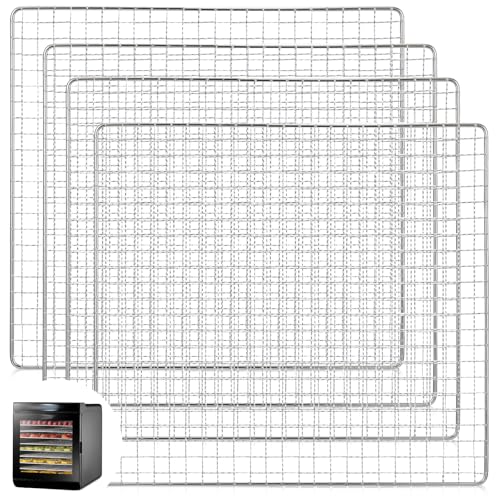
Baderke 4 Pcs 13 x 12 Inches
Machine-specific fit
Trays sized to fit common dehydrators for a snug, stable jerky load.
Check price on Amazon
8 PCS Silicone Dehydrator Sheets with Edge
Contain drips
Silicone sheets with a raised edge to catch marinade drips from jerky.
Check price on AmazonWhat matters for jerky trays
Jerky trays need to do three things: hold strips without sticking, let air move so meat dries evenly, and catch drips from marinated strips. Fine-mesh or non-stick silicone sheets tick all three, and being reusable, they cost less over time than disposable liners.
Features to prioritise
- Non-stick or fine-mesh silicone that releases jerky cleanly.
- Open airflow so strips dry evenly without turning.
- Edged sheets or trays that contain marinade drips.
- A fit sized to your dehydrator's trays.
Who this is for
Ideal for regular jerky makers who want easy removal and cleanup after marinated batches. For occasional jerky, the trays that came with your machine may be enough with a light oiling.
How we chose
We picked real, currently-listed mesh and non-stick sheets suited to jerky, prices from live listings. Put them to work with how to make jerky in a dehydrator and the cure & seasoning guide. See also the best trays for herbs and the full range in the best dehydrator accessories.
How the top picks compare
Each solves a jerky-tray problem. The 12-pack silicone mesh sheets are reusable and non-stick, holding strips while letting air through. The Baderke trays are sized to fit common dehydrators for a snug, stable load. The 8-pack silicone sheets add a raised edge to catch marinade drips. Match the sheet to your machine and how saucy your marinade is.
Better jerky trays
The right surface keeps jerky from sticking and dripping. Mesh sheets let air reach both sides so strips dry evenly without welding to the tray. Edged silicone sheets catch marinade so it does not drip onto the element. Lay strips in a single layer with space between them, and rotate trays if your machine dries unevenly.
Wash sheets promptly, since marinade sugars bake on. Reusable sheets quickly pay back against disposable liners if you make jerky often.
Related guides
Best Dehydrator Accessories
Buying GuideHow to Choose Dehydrator Accessories
InformationalDehydrator Sheets vs Mats vs Mesh: Which for What
InformationalDehydrator Accessory Problems & Fixes
Frequently asked questions
What trays are best for making jerky?
Fine-mesh or non-stick silicone sheets. They hold strips without sticking, let air circulate, and clean easily, better than bare grids for jerky, and reusable sheets save money over time.
Do I need special sheets for jerky?
Not essential, but mesh or non-stick sheets stop strips sticking and catch drips, making jerky easier to remove and the trays easier to clean after a marinated batch.
Can I reuse dehydrator sheets for jerky?
Yes. Silicone mesh and non-stick sheets are reusable and dishwasher-friendly, so they pay for themselves and cut waste compared with disposable liners.
What trays are best for making jerky in a dehydrator?
Non-stick mesh sheets let air reach both sides so strips dry evenly without sticking. Edged silicone sheets help by catching marinade drips before they reach the element.
How do I stop jerky sticking to dehydrator trays?
Use non-stick mesh or silicone sheets, lay strips in a single layer with gaps, and pat off excess marinade first. Wash the sheets promptly so sugars do not bake on.