Food Storage Containers
The right food storage keeps pantry staples fresh, cooked meals organised and leftovers safe. Airtight canisters protect flour, rice and cereal; glass meal-prep sets go fridge to microwave; freezer containers lock in portions. This guide covers what matters and tracks real sets.
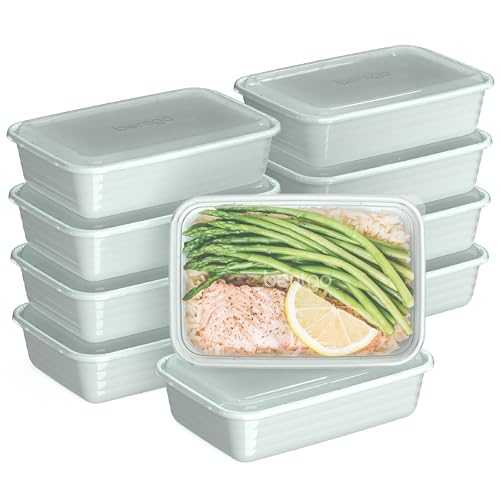
Which type do you need?
Airtight pantry
- Flour, sugar, rice, cereal
- Keeping pests and damp out
- A tidy, uniform pantry
- Long shelf life
- Stackable and clear
- Needs decanting from bags
Meal prep
- Cooked meals for the week
- Fridge-to-microwave reheating
- Portion control
- Glass reheats cleanly
- Even portions
- Glass is heavier
Freezer
- Freezing portions and soup
- Batch cooking
- Long-term storage
- Seals against freezer burn
- Stacks flat
- Needs freezer space
Find the right food storage
| Your need | Best type | Start here |
|---|---|---|
| The most popular all-round pick | Airtight pantry | Best food storage containers |
| Compare everything side by side | All options | Full database |
Explore food storage
Food Storage database
PantryGear Lab tracks 30 food storage models with sourced specifications. Here is a representative preview; the full table adds filters and sorting.
| Model | Type | Material | Set size | Airtight | Action |
|---|---|---|---|---|---|
| Bentgo Prep Meal Prep Containers with Lids | Meal prep | Plastic | 20-piece | — | Check price |
| BiuLeon | Meal prep | Plastic | 12-piece | — | Check price |
| C CREST | Meal prep | Glass | 10-piece | ✓ Yes | Check price |
| CHEFSTORY Airtight Food Storage Containers Set | Airtight | — | 14-piece | ✓ Yes | Check price |
| ComSaf Airtight Flour and Sugar Container 2.6Qt & 5.5Qt 3P | Airtight | — | 3-piece | ✓ Yes | Check price |
| Dealusy 10 Sets 36 oz & 12 oz Glass Food Storage Container | Meal prep | Glass | 10-piece | ✓ Yes | Check price |
| Dipoo 60 Sets (120-Piece) Deli Containers with Lids | Meal prep | — | 60-piece | — | Check price |
| GGOW Silicone Freezer Tray for Soup Ice Cubes: 2-Cup Freez | Meal prep | Silicone | 4-piece | — | Check price |
| Glad GladWare FreezerWare Food Storage Containers | Meal prep | — | — | — | Check price |
| HKJ Chef Flour Sugar Storage Containers | Airtight | — | 10-piece | ✓ Yes | Check price |
View all 30 food storage, with filters & sorting →
What matters when choosing a food storage
Glass lasts, resists stains and reheats safely; plastic is lighter and cheaper. Choose by whether you reheat and how rough you are on containers.
A silicone-gasket, latching or press lid is what keeps staples fresh and pests out. It matters most for flour, sugar and cereal.
Matched, stackable shapes use pantry and fridge space efficiently. Buy the sizes you actually store, not the biggest number.
If you reheat or freeze, check the container and lid are rated for it. Glass usually reheats; not all lids are microwave-safe.
How PantryGear Lab researches food storage
We track real products using verified specifications, manufacturer documentation and current listings. Product identity is recorded by brand and exact model, and dated on capture. We never publish a figure we cannot source.
Frequently asked questions
What's the actual difference between food storage containers and meal-prep containers?
The category overlaps, but pantry-style containers are built for dry staples sitting at room temperature for weeks, while meal-prep containers are built to move between the fridge, microwave, and sink daily. Buying based on that use case matters more than the label on the box.
Are more expensive food storage containers actually worth it?
Usually the price difference tracks lid durability and stain resistance rather than airtightness, since even budget clip-lock lids seal reasonably well when new. If you're replacing a set every year because lids crack or stain, a mid-range set with reinforced hinges typically pays for itself.
How often should food storage containers be replaced?
Pantry canisters used gently can last several years, while meal-prep containers in daily rotation, especially glass with plastic lids, often show wear in the lid seal within 12 to 18 months. Replace a lid the moment it stops clicking shut firmly rather than waiting for it to fail completely.
Is glass or plastic better for everyday food storage?
It depends on what's being stored and how it's handled: glass resists stains and odors better and is safer for direct microwave reheating, while plastic is lighter, cheaper, and more forgiving if dropped. Most kitchens end up using both for different jobs rather than standardizing on one material.
Do airtight containers really keep pantry staples fresh longer than the bags they came in?
Yes, mainly by blocking the air and humidity exchange that speeds up staleness and lets pests get in, rather than by doing anything to the food itself. A properly sealed canister keeps staples at a more stable moisture level than a bag clipped shut, which is where most of the shelf-life benefit comes from.