Best Grain Mill for Gluten Free Flour
For gluten-free flour, choose a mill that grinds hard gluten-free grains and legumes, rice, sorghum, corn and dry beans, to a fine texture. A high-speed impact mill produces the fine flour gluten-free baking needs; if you avoid gluten strictly, keep a dedicated mill to prevent wheat cross-contamination.
Top picks
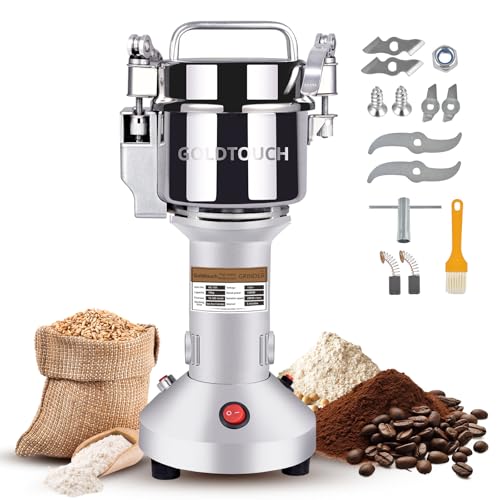
Goldtouch 150g High Speed Electric Grain Mill
Fine gluten-free flour
A high-speed mill that grinds rice, corn and beans into fine flour.
Check price on Amazon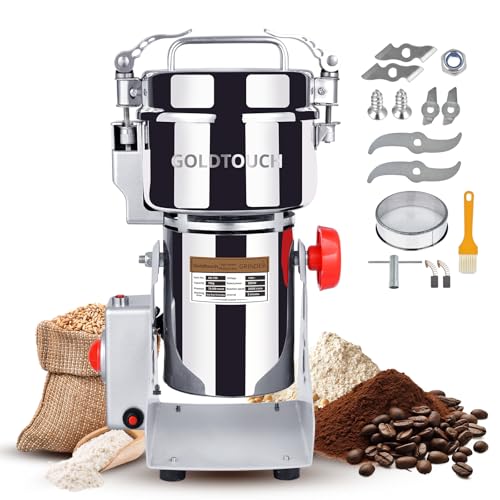
Goldtouch 750g High-Speed Electric Grain Mill Grinder,
Bigger batches
A higher-wattage mill for larger gluten-free flour batches.
Check price on Amazon
Goldtouch 1000g High-Speed Electric Grain Mill Grinder,
Family baking
A large-capacity high-speed mill for frequent gluten-free milling.
Check price on AmazonWhat matters for gluten-free flour
Gluten-free baking draws on many flours, rice, sorghum, corn, bean, so you want a mill that handles hard grains and legumes and grinds them fine, since gluten-free flours bake best smooth. If you avoid gluten strictly, a dedicated mill matters too, to keep wheat cross-contamination out.
Features to prioritise
- The ability to grind hard grains and legumes, rice, sorghum, corn, dry beans.
- A fine grind, impact mills excel here; see impact vs stone.
- A dedicated unit if you need strict gluten avoidance.
Who this is for
Ideal for coeliacs and gluten-free bakers who want fresh, custom flour blends, often cheaper and fresher than bought gluten-free flour. For occasional use, pre-milled flour may be simpler.
How we chose
We picked real, currently-listed high-speed mills that grind gluten-free grains fine, prices from live listings. Only dry, hard grains, no oily seeds; see what you can mill and how to mill your own flour. See also the best mill for corn and the full range in the best electric grain mills.
How the top picks compare
All three are Goldtouch high-speed mills at rising capacities. The 150g model grinds rice, corn and beans into fine flour for small batches. The 750g steps up wattage for larger runs. The 1000g is the large-capacity choice for frequent gluten-free milling. Capacity and how often you mill separate them; all grind naturally gluten-free grains fine.
Milling gluten-free flour
Fresh flour, one caution. High-speed impact mills grind rice, corn, sorghum and beans into fine flour on demand, which tastes fresher than bagged. The key caution for a gluten-free diet is cross-contamination: dedicate the mill to gluten-free grains, since shared equipment that also milled wheat is not safe for celiac needs.
Mill in short bursts so the flour does not overheat, sift for a finer texture, and store it airtight. Freshly milled flour is best used within a few weeks.
Related guides
Best Electric Grain Mills
Buying GuideHow to Choose an Electric Grain Mill
InformationalHow Does an Electric Grain Mill Work?
InformationalGrain Mill Problems & Fixes
Frequently asked questions
Can a grain mill make gluten-free flour?
Yes. Most mills grind gluten-free grains and legumes, rice, sorghum, corn, chickpeas, into flour. For strict gluten avoidance, use a dedicated mill to avoid cross-contamination with wheat.
What grind do I need for gluten-free baking?
A fine grind helps, since gluten-free flours benefit from a smooth texture. Impact mills produce very fine flour; adjust and sift as needed for the smoothest results.
Which grains make good gluten-free flour?
Rice, sorghum, millet, corn, buckwheat and dry legumes like chickpeas all mill into gluten-free flour. Blending several often gives the best baking results.
Can I make gluten-free flour in a grain mill?
Yes. High-speed mills grind rice, corn, sorghum and beans into fine flour. For celiac safety, dedicate the mill to gluten-free grains to avoid wheat cross-contamination.
Does a shared grain mill stay gluten-free?
Not for celiac needs. Milling wheat leaves residue that contaminates later batches. Keep a separate mill, or one only ever used for gluten-free grains.