How to Choose Deli & Butcher Prep Gear
Pick the gear for what you cook: food-safe butcher paper to wrap, a long thin knife to slice across the grain, an insulated blanket to rest, and boards or a prep tub for cleanup. Use a thermometer for safe temperatures, and keep raw and cooked prep separate.
Deli and butcher prep gear covers the accessories that make smoking, slicing and serving large cuts easier: butcher paper for wrapping, a long knife for slicing, insulated blankets for resting, boards for prep, and temperature guides for reference. The right kit depends on what you cook and where you get stuck. This guide breaks down each category so you can buy with confidence.
Which prep gear do you need?

Butcher Paper
Best for wrapping & the crutch
- Wraps brisket and large cuts
- Breathable, keeps bark firmer than foil
- Food-safe, uncoated paper
- A consumable you replace

Slicing Knives & Boards
Best for clean, even slices
- A long blade for brisket and roasts
- Disposable or dedicated boards
- Even slices across the grain
- A long knife needs safe storage
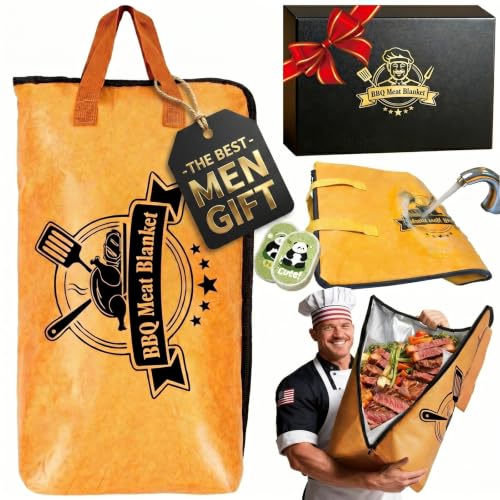
Resting & Reference
Best for finishing well
- Insulated blankets hold heat while resting
- Temperature guide magnets for reference
- Better final texture and juiciness
- Use a thermometer, not just a chart
Find the right prep gear for your needs
| Your need | Best gear | What to look for | Start here |
|---|---|---|---|
| Wrapping brisket | Butcher paper | Food-safe uncoated peach/pink paper | Best for Brisket |
| Slicing large cuts | Long slicing knife | A long, thin, sharp blade | Best Prep Gear |
| Resting smoked meat | Insulated blanket | Heat retention, washable | Best Prep Gear |
| Prep space & cleanup | Boards / prep tub | Disposable boards or a collapsible tub | Best Prep Gear |
| Paper or foil? | Either | Bark vs speed trade-off | Paper vs Foil |
Key features that actually matter
Use uncoated, food-grade peach or pink butcher paper, not waxed craft paper.
A long slicing knife makes clean, even slices across a whole brisket in one stroke.
An insulated resting blanket holds heat so meat rests without going cold.
Guides are handy references, but cook to temperature with a probe, not a chart alone.
Disposable boards and collapsible tubs make handling raw meat and cleanup simpler.
Match butcher paper width to your cuts; wider rolls wrap a full brisket easily.
Reusable items like blankets and knives should wash and last many cooks.
Keep raw and cooked separate, and follow safe internal temperatures.
A note on food safety
Prep gear makes cooking easier, but safety comes from temperature and hygiene, not accessories. Cook meats to safe internal temperatures and verify with a food thermometer rather than relying on a guide magnet alone; the USDA publishes the safe minimums. Keep raw and cooked foods and their boards separate to avoid cross-contamination, and refrigerate promptly. A resting blanket keeps meat warm while it rests, but do not hold food in the temperature danger zone for long periods.
Common mistakes to avoid
- Using waxed or non-food paper. Only uncoated, food-grade butcher paper is safe for wrapping meat.
- Slicing with the grain. Slice across the grain for tender pieces, using a long knife.
- Skipping the rest. Resting redistributes juices; a blanket keeps it warm while it rests.
- Trusting a chart over a probe. Use a thermometer to confirm safe internal temperatures.
- Cross-contaminating. Keep raw-meat boards separate from cooked food and produce.
Final checklist
- What do I need most, wrapping, slicing, resting or prep?
- Is the butcher paper uncoated and food-safe?
- Is my slicing knife long, thin and sharp?
- Does a resting blanket hold heat and wash easily?
- Do I have a food thermometer for safe temperatures?
- Can I keep raw and cooked prep separate?
Explore deli butcher prep
Best Deli & Butcher Prep Gear
View best picks → ▤Prep Gear Database
View database → ◉Best for Smoking Brisket
View guide → ⇄Butcher Paper vs Foil
Learn more →Frequently asked questions
What prep gear do I really need for BBQ?
For large smoked cuts, the core kit is food-safe uncoated butcher paper to wrap through the stall, a long thin slicing knife for clean slices across the grain, and an insulated blanket to rest the meat warm. A food thermometer for safe temperatures and separate boards for raw and cooked meat complete a safe, effective setup.
How do I know butcher paper is food-safe?
Use only uncoated, food-grade peach or pink butcher paper sold for wrapping meat. Do not use waxed or coated craft paper, which is not intended for food contact and can transfer substances you do not want on your food.
What makes a good slicing knife?
Length and thinness. A long blade slices across a whole brisket in one smooth stroke, and a thin blade reduces drag through crust and fat, giving even pieces. Keep it sharp and store it safely, since a long knife needs respect.
Why does resting need a blanket?
Large cuts benefit from a long rest so juices redistribute, but that rest can let the meat cool. An insulated blanket holds heat so the meat stays hot and juicy to serve. Mind food-safety holding times rather than leaving food warm indefinitely.
Can I trust a temperature guide magnet?
Treat it as a handy reference, not a safety tool. Always confirm doneness and safe internal temperature with a food thermometer, following USDA minimums, rather than relying on a chart or the colour of the meat.
Disposable or reusable cutting boards?
Disposable boards are convenient for raw meat, cutting cross-contamination and cleanup, while reusable boards are more economical over many cooks. A common approach is disposables for raw prep and a dedicated board for slicing cooked meat.
How do I keep prep safe?
Safety comes from temperature and hygiene, not accessories. Cook to safe internal temperatures verified with a thermometer, keep raw and cooked foods and their boards separate, refrigerate promptly, and do not hold food in the danger zone for long periods.