Best Kitchen Scale for Baking
For baking, choose a scale with reliable 1-gram precision, a fast tare and a display you can read with a bowl on top. Weighing removes the variation of cups, and the tare lets you build a whole recipe in one bowl. Very small amounts need a finer scale.
Top picks

OXO Good Grips Stainless Steel Scale
Everyday baking
An 11-pound scale with a pull-out display so a mixing bowl never hides the reading, and a reliable tare for one-bowl baking.
Check price on Amazon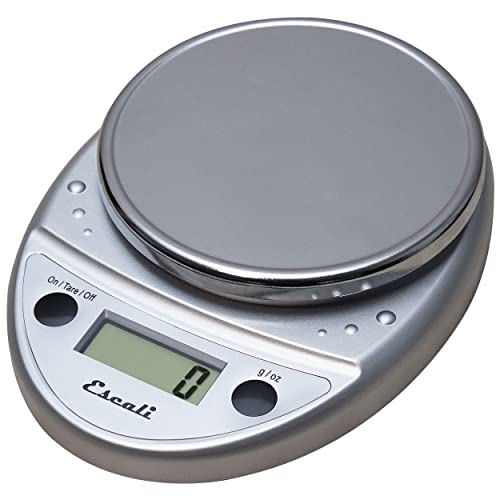
Escali Primo Digital Food Scale
Simple, reliable weighing
A long-lasting 11-pound, 1-gram scale with grams and ounces and a long warranty, ideal for straightforward baking.
Check price on AmazonBaking rewards accuracy, and a scale is the tool that delivers it. Weighing flour, sugar and liquids removes the variation of cups and spoons, so a good baking scale needs reliable 1-gram precision, a quick tare, and a display you can read with a bowl on top.
What matters for baking
Fine enough for flour, sugar and most baking ingredients by weight.
Build a whole recipe in one bowl, zeroing between each ingredient.
A display that is not hidden by a mixing bowl keeps you accurate.
11 pounds covers big batches of dough without maxing out.
How to bake by weight
Place your bowl, tare to zero, and add the first ingredient to its weight; tare again and add the next. This one-bowl method is faster and cleaner than measuring cups and far more consistent, since a weight never changes the way a scooped cup can. For very small quantities like yeast or salt in tiny bakes, a finer 0.1-gram scale helps, but for everyday baking a good 1-gram scale is all most people need.
Compare full options in our best kitchen scales guide, or see how to use one in how a scale works.
How the picks compare
Both are 11-pound baking staples. The OXO Good Grips adds a pull-out display so a wide mixing bowl never hides the readout. The Escali Primo is a long-lasting 1-gram scale with grams and ounces and a long warranty. For baking, a clear readout, a reliable tare and fine resolution matter most.
Baking by weight
Weighing is why bakers get consistent results. Flour especially varies by cup, so grams give the accuracy that makes a recipe repeatable. Tare the bowl, add each ingredient to weight, and use a pull-out display or a scale that reads with a big bowl on top. A 1-gram resolution covers most baking; go finer for small yeast or salt amounts.
Keep the scale on a flat surface and wipe it clean rather than soaking it, so it stays accurate batch after batch.
Related guides
Best Kitchen Scales
Buying GuideHow to Choose a Kitchen Scale
InformationalHow Does a Kitchen Scale Work?
InformationalKitchen Scale Problems & Fixes
Frequently asked questions
What scale is best for baking bread?
A standard 11-pound, 1-gram scale with a reliable tare covers bread baking well, letting you weigh flour, water and other ingredients accurately in one bowl. Capacity matters for large doughs; precision to 1 gram is fine for everyday baking.
Why weigh ingredients for baking?
Flour and other ingredients vary a lot by cup, so weighing in grams makes recipes accurate and repeatable. It is the single biggest upgrade for consistent baking.
What resolution should a baking scale have?
One gram suits most baking. For very small amounts of yeast, salt or spice, a scale that also reads finer increments helps, but 1 gram covers the everyday.