How to Choose a Meat Grinder
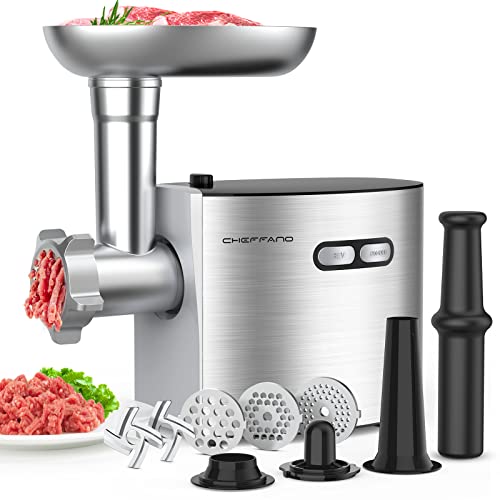
Match the grinder to how much you grind. A home electric unit with multiple plates, reverse and a stainless head suits burgers and sausage; a metal-drivetrain, rated-HP grinder suits game and bulk. Read motor figures as peak unless a rated number is published, and prioritise drivetrain over headline wattage.
A meat grinder is judged on a few things: how much power it holds under load, how the drivetrain is built, the plates and attachments it comes with, and how easy it is to clean. Match those to how much you actually grind and the choice gets simple. This guide breaks down each factor so you can buy with confidence.
Which type do you need?

Home Electric
Best for burgers & sausage
- Fast and low-effort
- Multiple plates & sausage tubes
- Reverse clears jams
- Peak-wattage marketing overstates power

Heavy-Duty (Game)
Best for deer, game & bulk
- Rated horsepower, not peak watts
- Metal drivetrain & stainless head
- Handles sinew and long sessions
- Large, heavy & pricier
Manual / Budget
Best for occasional, small batches
- Cheapest to buy
- Quiet, needs no power (manual)
- Fine for rare, light use
- Slow and tiring in volume
Find the right meat grinder for your needs
| Your need | Best type | What to look for | Start here |
|---|---|---|---|
| Burgers & regular home grinding | Home electric | Multiple plates, reverse, stainless head | Best Meat Grinders |
| Home sausage making | Home electric | Included stuffing tubes, steady auger | Best Meat Grinders |
| Deer & game processing | Heavy-duty | Rated HP, metal drivetrain, #8/#12 head | Best for Deer & Game |
| Bulk / repeated batches | Heavy-duty | Duty cycle, throughput, part availability | Best for Deer & Game |
| Occasional, small batches | Manual / budget | Low price, easy storage, simple cleaning | Manual vs Electric |
Key features that actually matter
The "3000W" on the box is usually peak. Rated (continuous) power is what sustains speed under load.
Metal gears and auger survive heavy, repeated use; plastic gears fail first under load.
#5 for light home use, #8 and #12 for bulk and game. Bigger heads clear more per minute.
Coarse and fine cover most needs; extra plates add stuffing and specialty grinds.
Clears jams without disassembly, which matters most on sinewy game and long sessions.
Stuffing tubes and a kubbe attachment turn a grinder into a small charcuterie setup.
Look for ETL or UL listing and a stable, non-slip base for heavier machines.
Removable head, auger, blade and plate that wash by hand and dry without rusting.
Rated vs peak power: read the number correctly
| Term | What it means | Why it matters |
|---|---|---|
| Peak / "max" watts | The highest draw for an instant, often the marketing headline | Overstates real grinding power; useful only for rough comparison between similar units |
| Rated / continuous power | The power the motor sustains during use | The number that predicts performance under sinew and long batches |
| Rated horsepower | A published HP figure, common on game-grade grinders | The most honest measure for heavy, repeated processing |
Home grinders often advertise 2000 to 3000W peak but run on a few hundred watts continuously, which is fine for regular home grinding. For game and bulk, prioritise a grinder that publishes a genuine rated horsepower rather than a peak figure.
Electric vs manual
| Feature | Electric | Manual |
|---|---|---|
| Speed | Fast, low effort | Slow, physical work |
| Best for | Regular grinding, bulk, sausage | Rare, small batches |
| Power needed | Mains electricity | None |
| Noise | Louder | Quiet |
| Price | Higher | Lowest |
Safety and cleaning
Grinders are simple but deserve care. Never grind bones unless the machine is specifically rated for it, keep fingers clear of the throat and always use the food pusher, and unplug before disassembly. For cleaning, run a little bread or cracker through to push out residual meat, then take the head, auger, blade and plate apart and wash them by hand; many parts are not dishwasher-safe. Dry all metal parts fully to prevent rust, and store the blade and plate lightly oiled if you grind infrequently.
Common mistakes to avoid
- Buying on peak wattage. A high "max" figure does not mean high continuous power; check the rated spec.
- Grinding warm meat. Chill meat and parts until firm for a clean grind rather than a smear.
- Choosing plastic gears for heavy use. They are the first thing to fail under game or bulk loads.
- Overloading the throat. Feed steadily and let the auger pull; forcing meat bogs the motor.
- Skipping the reverse. On sinewy cuts, a reverse function clears jams without a full teardown.
Final checklist
- How much do I grind, and how often?
- Do I need rated horsepower for game, or is a home unit enough?
- Is the drivetrain metal or plastic?
- Does it include the plates and sausage tubes I want?
- Is there a reverse function for jams?
- Do the parts come apart for hand cleaning?
- Is it ETL or UL listed?
- Where will it live, and can I lift it?
Explore meat grinders
Best Meat Grinders
View best picks → ▤Meat Grinder Database
View database → ◉Best for Deer & Game
View guide → ⇄Manual vs Electric
Compare now →Frequently asked questions
How much power does a meat grinder really need?
Focus on rated (continuous) power, not the peak "max" wattage on the box. Home grinders often advertise 2000 to 3000W peak but run on a few hundred watts continuously, which is fine for regular home grinding. For game and bulk, prioritise a grinder that publishes a genuine rated horsepower, since rated power is what sustains speed under load.
What does grinder "head size" (#5, #8, #12) mean?
Head size describes the grinding assembly and plate diameter: #5 suits light home use, while #8 and #12 clear more meat per minute and suit bulk and game. A larger head paired with a genuine rated motor is what makes long, heavy sessions practical.
Are metal gears worth paying for?
For heavy or repeated use, yes. Metal gears and a metal auger survive the load that makes plastic internals fail first. Plastic gears are acceptable for light, occasional grinding, but for game or bulk a metal drivetrain is the single most important durability factor.
Can any meat grinder make sausage?
Only if it includes stuffing tubes and the auger pushes ground meat steadily rather than just grinding. Remove the blade and plate, fit the tube, and feed casings. The easiest starting point is a grinder sold with a sausage kit and kubbe attachment.
Should I choose electric or manual?
Electric grinders are faster and far less tiring for bulk, game and sausage; manual grinders are cheaper, quieter and need no power, which suits rare, small batches. Choose electric if you grind regularly or in volume, and manual only for occasional light use.
Can a meat grinder grind bones?
Most home meat grinders are not designed to grind bones, and doing so can damage the auger and blade. Only grinders specifically rated for raw pet-food or soft-bone grinding should be used for that, and always follow the manufacturer's guidance.
How do you keep a grinder clean and rust-free?
Run a little bread through to push out residual meat, then unplug and disassemble the head, auger, blade and plate and wash them by hand, as many parts are not dishwasher-safe. Dry all metal parts fully, and lightly oil the blade and plate if you grind infrequently.