Best Commercial Meat Slicer
A commercial slicer means a large blade (10 inches or more), a powerful motor rated for continuous use, and a durable metal body. For heavy or daily slicing, a belt-driven commercial unit is the reliable choice.
Top picks

VEVOR Commercial Meat Slicer
High-volume slicing
A larger-blade commercial-style slicer built for frequent, heavier use.
Check price on Amazon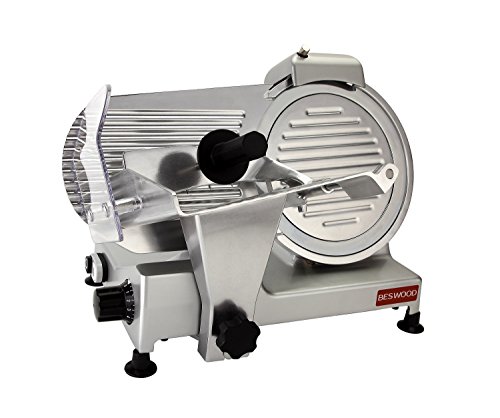
BESWOOD 10" Electric Deli Meat Slicer
Clean daily cuts
A well-regarded belt-driven slicer with a keen 10-inch blade for consistent results.
Check price on Amazon
Pterying 200W Electric Meat Slicer
Lighter semi-pro use
A mid-size slicer for those wanting more than a basic home unit at a friendlier price.
Check price on AmazonWhat matters for heavy use
Commercial slicing prioritises a large blade, sustained motor power and a solid metal build that holds up to daily runs. A built-in sharpener and a smooth carriage matter when you slice for hours. The trade-offs are size, weight, noise and price.
How we chose
We favoured real slicers with larger blades and durable builds over light home units. For occasional home use, the smaller best meat slicers are more sensible.
How the top picks compare
These span light-commercial to serious daily use. The BESWOOD 10-inch is the belt-driven favourite, with a keen blade and the build to slice for long stretches. The VEVOR commercial-style unit offers a larger blade for frequent runs at a friendlier price. The Pterying 200W sits in the middle for cooks who want more than a basic home slicer without a full commercial footprint. Decide by how many hours a week the blade will actually spin.
Before you buy a commercial slicer
Bigger is not automatically better at home. A large commercial slicer needs bench space, weighs a lot, and is louder than home units. Prioritise a sharp blade, a smooth carriage and a built-in sharpener if you slice often. Chill meat until firm for the thinnest, most even slices, and let cheeses sit cold too.
Factor in cleaning time. Larger blades and carriages take longer to strip down and wash, so build that into your routine rather than rushing it near a sharp edge.
Related guides
Best Meat Slicers
Buying GuideHow to Choose a Meat Slicer
InformationalHow Does a Meat Slicer Work?
InformationalMeat Slicer Problems & Fixes
Frequently asked questions
What defines a commercial meat slicer?
A large blade, a strong motor built for continuous runs, an aluminium or steel body, and features like a sharpener and sturdy carriage for high-volume work.
Is a commercial slicer overkill at home?
For most homes, yes, a mid slicer is enough. Choose commercial only if you slice a lot, often, or for a small business.
Is a commercial meat slicer worth it for home use?
Only if you slice often or in volume. For occasional cold cuts, a smaller home slicer is cheaper, quieter and far easier to store and clean.
How do I get thin, even deli slices?
Chill the meat until firm, set a fine thickness, and let the carriage do the work at a steady pace. A sharp blade matters more than motor power for clean slices.