How to Choose a Meat Slicer
Match the slicer to your cuts. A 7 to 7.5 inch smooth-blade unit suits home deli meat and cheese; 8 to 10 inch models handle larger cuts and roasts. Prioritise a removable, sharpenable blade, real safety features and easy cleaning over raw size.
A meat slicer is a simple machine judged on a few things: the blade, the motor behind it, how safely and easily it runs, and how painful it is to clean. Match those to what you actually slice and the choice gets easy. This guide breaks down the key factors so you can buy with confidence.
Which size do you need?
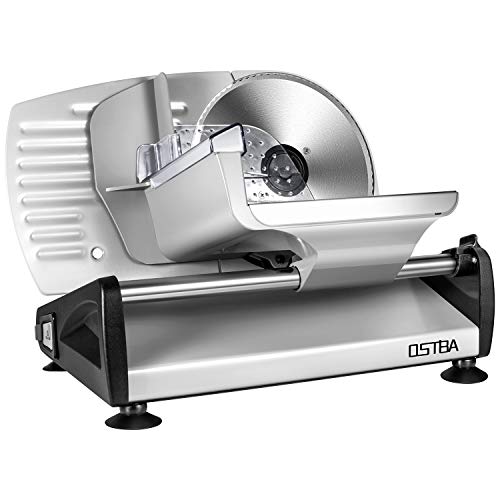
Home Deli (7–7.5")
Best for deli meat & cheese
- Compact and affordable
- Easy to store and clean
- Enough for most homes
- Modest motor for big cuts

Mid-size (8–9")
Best for larger or firmer cuts
- More blade reach
- Stronger motor
- Still home-friendly
- Bigger and heavier
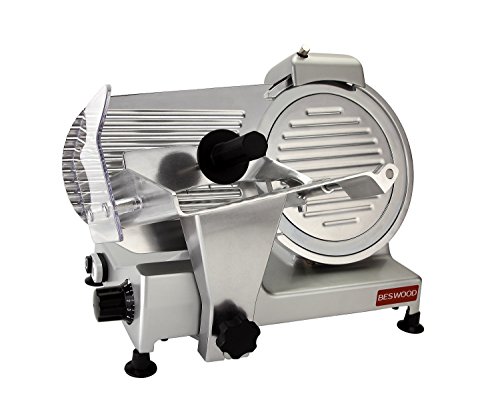
Commercial (10"+)
Best for large roasts & volume
- Clears big cuts in one pass
- Heavier, more durable build
- Longer duty cycle
- Large, heavy & expensive
Find the right meat slicer for your needs
| Your need | Best size | What to look for | Start here |
|---|---|---|---|
| Deli meat & cheese | 7–7.5" | Smooth blade, adjustable thickness, easy clean | Best for Home |
| Larger or firmer cuts | 8–9" | Stronger motor, wider blade | Best Meat Slicers |
| Bacon (thin slices) | 7–7.5" | Precise thickness dial, semi-freeze meat | Best for Home |
| Large roasts / volume | 10"+ | Big blade, heavy build, duty cycle | Best Meat Slicers |
| Deciding blade size | Either | Counter space vs cut size | 7.5" vs 10" |
Key features that actually matter
Sets what you can slice in one pass. 7.5" for deli, 10"+ for roasts.
Decides whether the blade holds speed through dense or firm cuts.
Smooth for meat and cheese; serrated for bread and crusty items.
Removes for cleaning and sharpening, which extends the slicer's life.
An adjustable dial that holds its setting keeps every slice equal.
Blade guard, food pusher, non-slip base and a safety switch.
Tool-free removable blade and carriage or it gets shelved.
Consider counter space and whether you'll move or store it.
Blade type: smooth vs serrated
| Feature | Smooth blade | Serrated blade |
|---|---|---|
| Best for | Meat, deli slices, cheese | Bread, crusty and hard items |
| Soft meat | Clean slices | Tends to tear |
| Sharpening | Easy with a built-in sharpener | Harder to sharpen |
| Home default | Yes, the safer general choice | Only if you slice bread often |
Safety and cleaning
A spinning blade deserves respect. Always use the food pusher, keep the blade guard fitted, work on a non-slip base, and unplug the machine before cleaning. For cleaning, a slicer whose blade, carriage and tray come off without tools is one you will actually keep using; fatty residue and safety both demand thorough cleaning after each session. Dry metal parts fully to prevent rust, and if the blade will not hold an edge after sharpening, replace it.
Common mistakes to avoid
- Slicing warm meat. Firm it in the freezer for 20 to 30 minutes for thin, clean slices.
- Forcing the feed. Let the blade do the work with steady, moderate pressure.
- Ignoring the duty cycle. Home slicers need a short rest between long sessions.
- Buying too big. A 10-inch commercial slicer is overkill and hard to store for home deli use.
- Skipping the guard or pusher. These are the difference between a routine task and an injury.
Final checklist
- What is the largest cut I slice regularly?
- Do I need a smooth blade, a serrated blade, or both?
- How much motor power do my cuts demand?
- Is the blade removable and sharpenable?
- Does it have a guard, food pusher and non-slip base?
- Do the parts come apart for cleaning without tools?
- Where will the machine live, and how heavy is it?
- What warranty is documented?
Explore meat slicers
Best Meat Slicers
View best picks → ▤Meat Slicer Database
View database → ◉Best for Home Use
View guide → ⇄7.5" vs 10" Slicer
Compare now →Frequently asked questions
What size meat slicer blade is best for home use?
A 7 to 7.5 inch blade suits most homes, handling deli meat, cheese and small roasts while staying compact and affordable. Step up to an 8 to 10 inch blade only if you regularly slice large roasts or whole muscles, since bigger blades cost more, weigh far more and take much more storage space.
Should I get a smooth or serrated blade?
A smooth blade gives the cleanest slices on meat and cheese and is the right default for a general home slicer. Serrated blades tackle bread and crusty items but tend to tear soft meat. If you need both jobs, check whether your model offers interchangeable blades before buying.
How much motor power does a meat slicer need?
Home slicers commonly sit in the 150 to 240W range, which is fine for deli meat and cheese. Stronger motors matter most when you slice firmer or larger cuts, where an underpowered blade bogs and produces ragged slices. Pair a larger blade with a stronger motor.
Why does a removable blade matter?
A blade that removes for cleaning and can be sharpened extends the machine's useful life and makes cleanup far safer. A fixed or non-serviceable blade turns a slicer into a disposable once it dulls, so a removable, sharpenable blade is worth prioritising.
Are electric meat slicers safe?
They are, with care. Use the food pusher, keep the blade guard fitted, work on a non-slip base and unplug before cleaning. The main risks come from bypassing the pusher or cleaning around a running or plugged-in blade, so respect the edge.
How do you get clean, even slices?
Keep the blade sharp, firm the meat in the freezer for 20 to 30 minutes so it holds shape, and feed with steady, moderate pressure rather than forcing it. A dull blade, warm meat or heavy pressure are the usual causes of ragged slices.
Is a home meat slicer worth buying?
If you regularly buy deli meat or cheese, slicing your own is usually cheaper per pound and lets you control thickness and freshness. For occasional use, the storage space and cleaning effort may outweigh the savings, so match the purchase to how often you will use it.