How to Choose Vacuum Storage Containers
Match the containers to how you use them. Glass for reheating leftovers without stains; plastic sets for value and portable meal prep; a vacuum system for a matched, expandable setup. Check the pump, set sizes and rated uses, and remember this is storage, not canning.
A vacuum food storage container keeps food fresher by pumping the air out of a reusable box, so leftovers and dry goods last longer than in an ordinary container. The choice comes down to material, the pump system, set sizes, and where the containers can go, fridge, freezer, microwave or dishwasher. This guide breaks down each factor so you can buy with confidence.
Which type do you need?

Glass Containers
Best for leftovers & reheating
- Non-staining, no odours
- Often microwave & oven safe
- Durable and premium
- Heavier and pricier

Plastic Sets
Best for value & meal prep
- Light and stackable
- Big multi-size sets
- Lower cost per piece
- Can stain or scratch
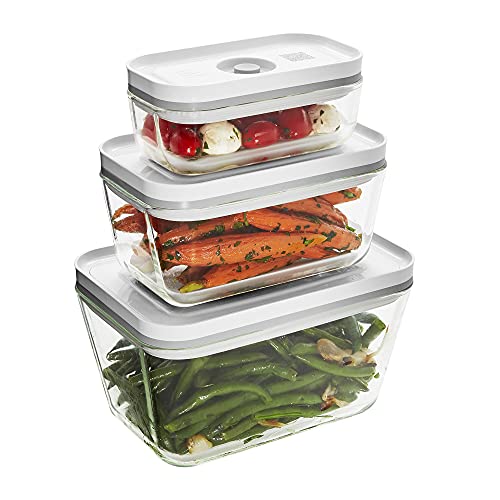
Vacuum System
Best for a complete setup
- Matched pump and containers
- Manual or electric pump
- Expandable ecosystem
- Tied to one brand's parts
Find the right containers for your needs
| Your need | Best type | What to look for | Start here |
|---|---|---|---|
| Leftovers you reheat | Glass | Microwave-safe, non-staining | Best Containers |
| Meal prep in bulk | Plastic set | Stackable, multi-size, light | Best for Meal Prep |
| A complete system | Vacuum system | Matched pump and expandable range | Best Containers |
| Dry pantry goods | Glass or plastic | Airtight seal, clear body | Best Containers |
| Glass or plastic? | Either | Weight, reheating, cost | Glass vs Plastic |
Key features that actually matter
Glass resists stains and odours and often reheats; plastic is lighter, cheaper and stackable.
A manual hand pump is simple and cordless; an electric pump is faster for frequent use.
A range of nesting, stackable sizes covers leftovers, meal prep and dry goods.
A firm vacuum that holds for days is the whole point; test that the seal lasts.
Check which uses are rated; glass often reheats, plastic often does not.
Removable valves and dishwasher-safe bodies make cleaning routine.
Look for BPA-free plastic if you store or reheat in it often.
Durable one-way valves that keep sealing are what make the set last.
What vacuum containers are good for
Vacuum containers shine for leftovers, prepped meals and dry pantry goods, where removing air slows spoilage, staling and oxidation, so food keeps its quality longer than in an ordinary box. They are reusable and reduce waste compared with disposable bags. What they do not do is preserve low-acid foods for the shelf: like any vacuum sealing, this is storage, not canning, so keep perishables refrigerated and can low-acid foods properly.
Common mistakes to avoid
- Treating them as canning. A sealed container of low-acid food at room temperature is not safe; this is storage.
- Microwaving plastic that is not rated for it. Check the container before reheating; glass is usually the safer choice.
- Overfilling to the rim. Leave headspace so the lid seals and the pump can pull air.
- Ignoring valve wear. A worn one-way valve will not hold a vacuum; check it holds for days.
- Buying one size. A range of sizes is far more useful for leftovers and meal prep.
Final checklist
- Do I want glass for reheating or plastic for value and weight?
- Manual or electric pump?
- Do the set sizes suit leftovers, meal prep and dry goods?
- Does the seal hold firmly for days?
- Which uses are rated, fridge, freezer, microwave, dishwasher?
- Do I understand it is for storage, not canning?
Explore vacuum food storage containers
Best Vacuum Containers
View best picks → ▤Vacuum Container Database
View database → ◉Best for Meal Prep
View guide → ⇄Glass vs Plastic
Compare now →Frequently asked questions
Should I choose glass or plastic?
Glass resists stains and odours and usually microwaves safely, which suits reheating leftovers, at more weight and cost. Plastic is lighter, cheaper and stackable in big sets, which suits value and portable meal prep. Many people keep glass for home reheating and plastic for lunches.
Manual or electric pump?
A manual hand pump is simple, cordless and inexpensive, and fine for occasional sealing. An electric pump is faster and easier if you seal many containers regularly. Both create the same vacuum, so choose by how much sealing you do.
How many sizes do I need?
A range of nesting, stackable sizes is far more useful than one size, covering single leftovers, meal-prep portions and dry goods. Multi-size sets also stack tidily in the fridge, which is part of their value for meal prep.
How do I know the seal is good?
A good vacuum holds for days and keeps the lid pulled down. After sealing, check the lid stays firm; a seal that releases overnight points to a dirty rim or a worn one-way valve, which you can clean or replace.
Can I microwave them?
Glass containers usually can; many plastic ones cannot, or only the base without the lid. Always check the specific product before reheating, and prefer glass if you microwave leftovers often.
Do they replace canning?
No. Vacuum containers remove air to extend fridge, freezer and pantry freshness, but they do not make food shelf-stable or safe from botulism. Keep perishables refrigerated and pressure-can low-acid foods properly.
Are they worth buying?
If you store leftovers, prep meals or keep dry goods, yes: removing air keeps food fresher for longer, and reusable containers cut waste compared with bags. Judge value on seal strength, valve durability and whether the sizes suit your kitchen.