How to Choose Vacuum Sealer Bags
Match the bag to your sealer and food. Embossed bags for external suction sealers, smooth for chamber; rolls for value and custom lengths, pre-cut for speed; the right width for your machine; and a stated heat and BPA-free rating if you cook sous vide. Compatibility comes first.
Vacuum sealer bags are judged on the format that suits your sealing, whether they match your machine, and the material quality that keeps food protected. The single most important thing is compatibility: the wrong bag simply will not seal. This guide breaks down each factor so you can buy with confidence.
Which format do you need?
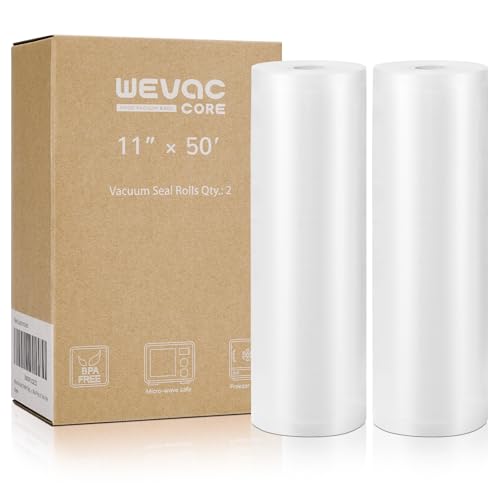
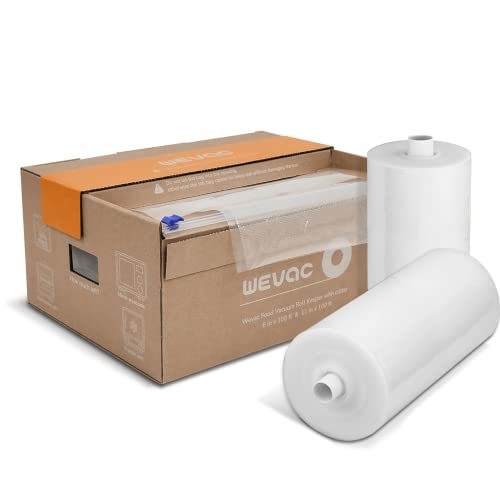
Rolls (Cut-to-Length)
Best for custom sizes & value
- Cut any length you need
- Most economical per foot
- Handles odd-shaped foods
- You seal both ends yourself
Pre-Cut Bags
Best for grab-and-go convenience
- Fixed quart and gallon sizes
- One end already sealed
- Fast for routine portions
- Less flexible; more waste on odd sizes

For Your Sealer
Match texture to the machine
- Embossed for external sealers
- Smooth for chamber sealers
- Check width fits your machine
- Wrong texture won't seal
Find the right vacuum bags for your needs
| Your need | Best pick | What to look for | Start here |
|---|---|---|---|
| External (suction) sealer | Embossed | Textured bags in your machine's width | Best Vacuum Bags |
| Chamber sealer | Smooth | Smooth pouches rated for chamber use | Embossed vs Smooth |
| Custom sizes & best value | Rolls | Bulk length in 8" and 11" widths | Rolls vs Pre-Cut |
| Fast routine portions | Pre-cut bags | Quart and gallon multipacks | Best Vacuum Bags |
| Sous vide cooking | Sous-vide-safe | BPA-free, heat-safe bags | Best for Sous Vide |
Key features that actually matter
Embossed for external suction sealers, smooth for chamber sealers. This decides whether they seal at all.
Match the roll or bag width to your sealer, commonly 8 inch and 11 inch.
Rolls cut to any length for value; pre-cut bags for grab-and-go convenience.
Good bags resist freezer burn and, if rated, handle sous-vide temperatures.
Look for a stated BPA-free rating if you cook sous vide or store for long periods.
Multi-layer bags resist punctures from bones and sharp edges; cushion sharp foods.
Rolls in bulk lengths are usually the cheapest way to seal a lot of food.
Most embossed bags work with common external sealers; check FoodSaver-specific needs.
Embossed vs smooth: the compatibility rule
| Feature | Embossed / textured | Smooth |
|---|---|---|
| Works with | External suction sealers | Chamber sealers |
| How it seals | Channels let air escape past the food | Chamber removes air around the whole bag |
| Cost | Higher per bag | Lower per bag |
| In the wrong machine | Fine in external; wasteful in chamber | Will not evacuate in an external sealer |
If your countertop sealer sucks air from the bag opening, it is an external sealer and needs embossed bags. Only a chamber sealer, which removes air from a sealed chamber, uses smooth pouches.
Common mistakes to avoid
- Buying smooth bags for an external sealer. They cannot channel air out and will not seal.
- Wrong width. A bag wider than your sealer's bar will not seal fully; match the width.
- Using thin bags for sharp foods. Bones and shells puncture thin film; cushion them or use thicker bags.
- Assuming all bags are sous-vide safe. Only use bags with a stated heat and BPA-free rating for cooking.
- Overfilling to the seam. Leave clear film so the seal bar has a clean strip.
Final checklist
- Is my sealer external (embossed) or chamber (smooth)?
- What width does my machine take, 8 inch, 11 inch or both?
- Do I want rolls for value or pre-cut bags for speed?
- Do I need sous-vide-safe, BPA-free bags?
- Are the bags thick enough for what I seal?
- Is the cost per foot reasonable in bulk?
Explore vacuum sealer bags
Best Vacuum Sealer Bags
View best picks → ▤Vacuum Bag Database
View database → ◉Best for Sous Vide
View guide → ⇄Embossed vs Smooth
Learn more →Frequently asked questions
How do I match bags to my sealer?
Identify how your sealer removes air. If it clamps the bag opening and sucks air out, it is an external suction sealer and needs embossed bags. If it removes air from a sealed chamber, it is a chamber sealer and uses smooth bags. Then match the width to your machine.
Are rolls or pre-cut bags better value?
Rolls are usually cheaper per foot and let you cut only what you need, which suits odd-shaped foods and high-volume sealing. Pre-cut bags cost more per bag but save time on routine portions. Many people keep both for flexibility and speed.
What thickness do I need?
For general storage, standard multi-layer bags are fine. For sharp foods like bone-in meat or shellfish, use thicker bags or cushion the sharp points, since a puncture lets air back in and causes freezer burn.
Can I use any bag for sous vide?
No. Use only bags the manufacturer rates as heat-safe and BPA-free for cooking. Many storage bags are not tested for sous-vide temperatures, so confirm the rating rather than assuming a storage bag is safe in the water bath.
Do generic bags work with brand-name sealers?
Many third-party embossed bags work with common external sealers, including FoodSaver-style machines, and cost less. Check the width and that the texture suits your sealer; a few machines are pickier about bag type, so confirm if in doubt.
What width should I buy?
Match the roll or bag width to your sealer, most commonly 8 inch and 11 inch. An 8-inch width suits smaller portions and 11-inch handles larger items; a bag wider than the seal bar will not seal fully.
How do I store bags and rolls?
Keep them clean, dry and away from heat so the film and any adhesive seams stay in good condition. A dusty or damaged sealing area can weaken the weld, so protect the bag ends until use.